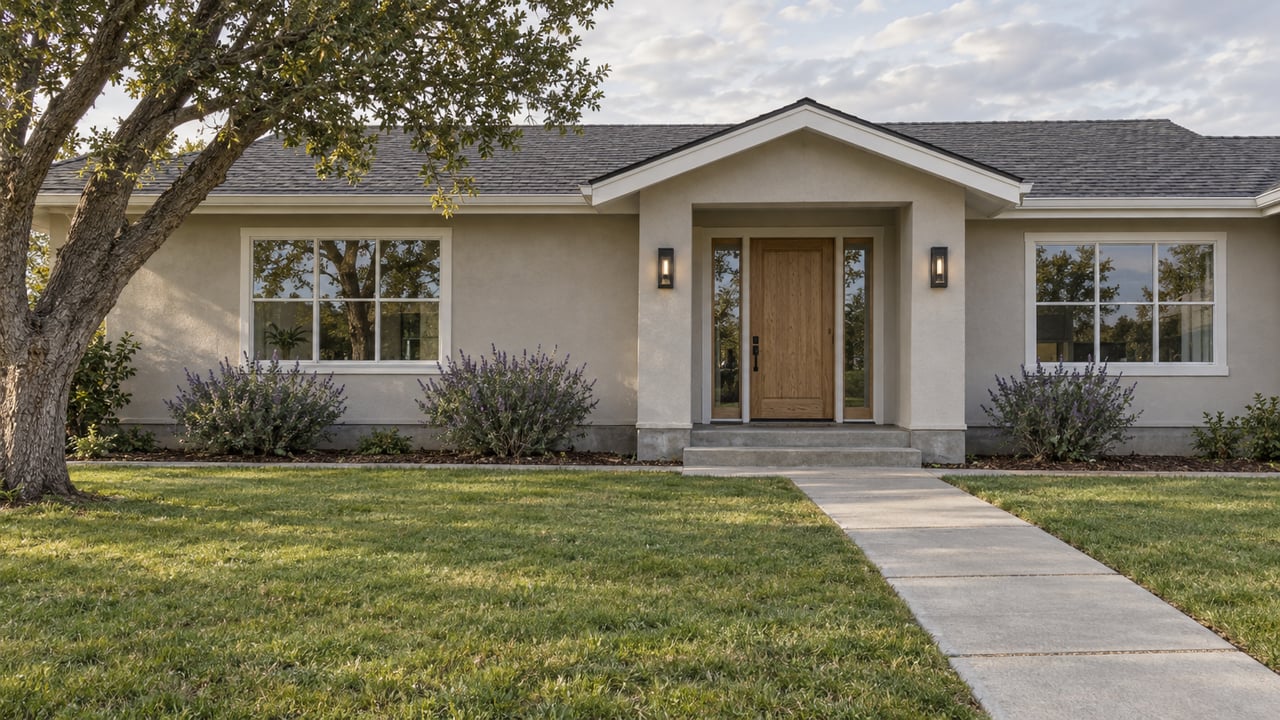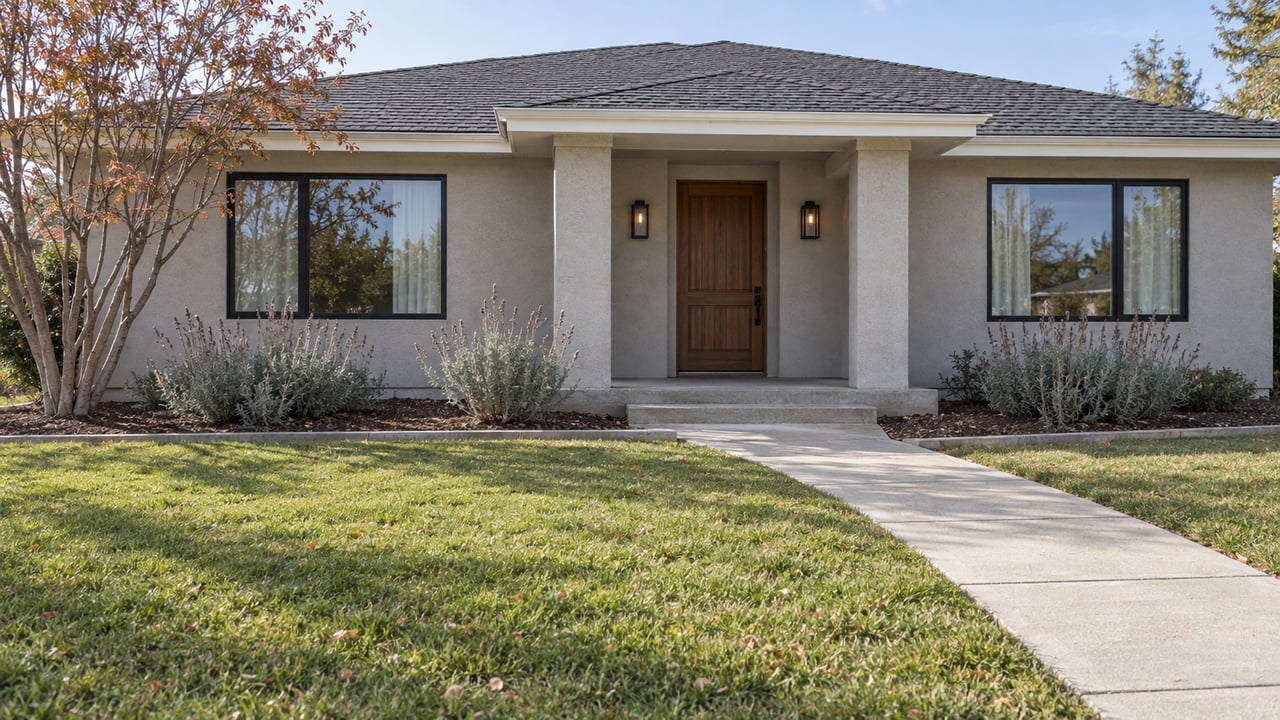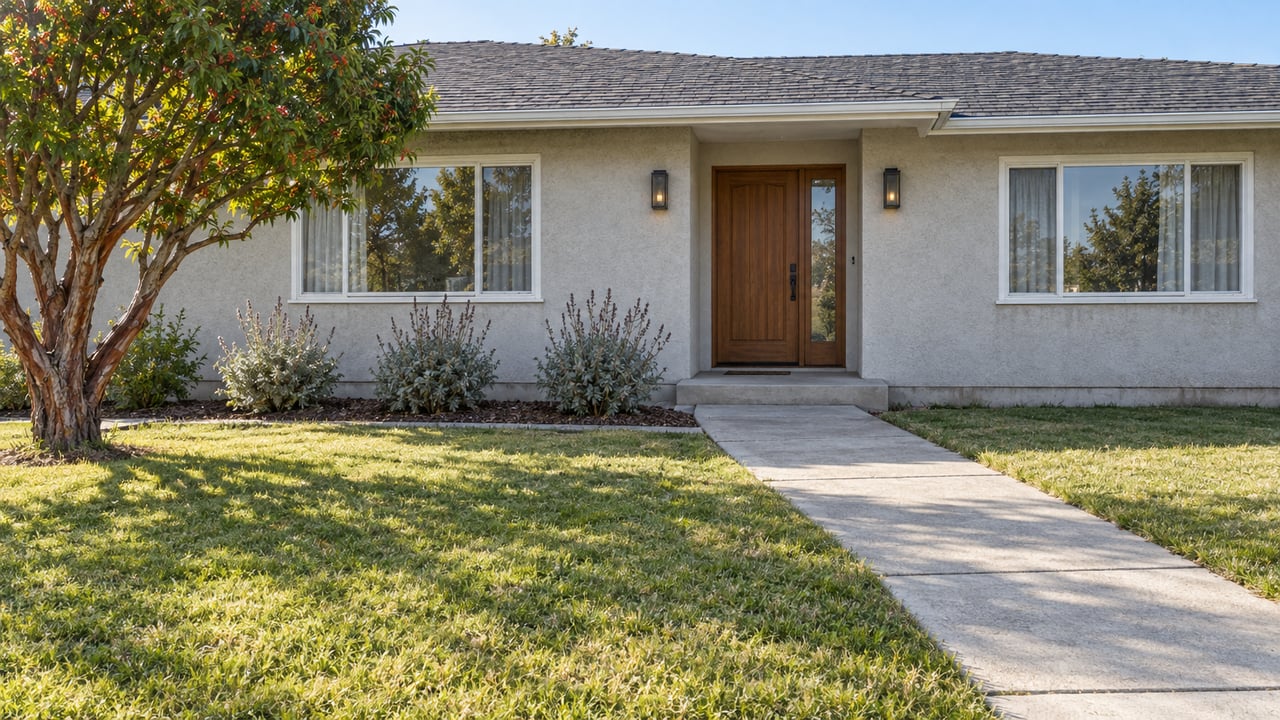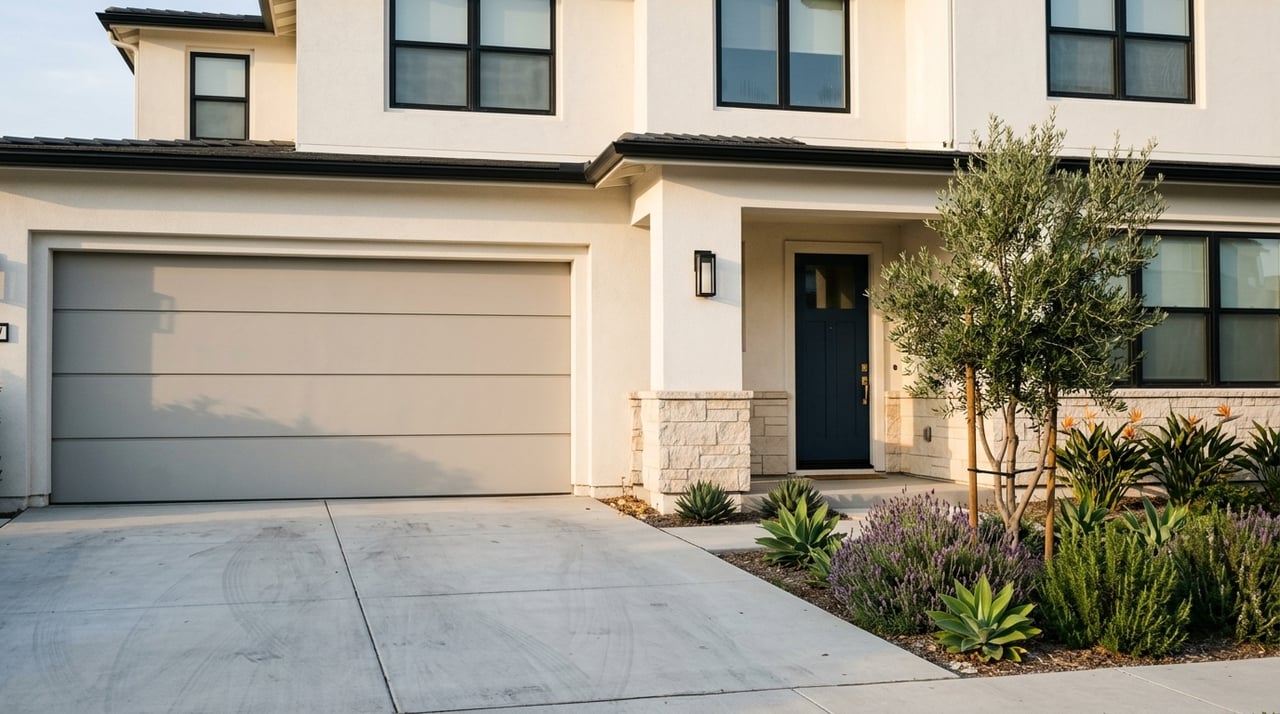
Thinking about a bigger home, a different layout, or a new area nearby, but wondering if your current home can help fund the move? If you own in Hacienda Heights, the equity you have built may be one of your strongest tools. With local prices still holding up, you may have more options than you think. Let’s walk through how to use Hacienda Heights home equity to move up with more clarity and less guesswork.
Why Hacienda Heights Equity Matters
In March 2026, the median home sale price in Hacienda Heights was $1,062,500, up 4.0% year over year, according to Redfin’s Hacienda Heights market data. Homes were also taking about 46 days to sell and receiving about five offers on average, which points to a market that is still competitive for sellers.
That matters if you are planning your next move. A competitive market can support your sale price, and your sale proceeds may become the down payment that helps you reach the next home.
What Home Equity Really Means
Home equity is simply the difference between what your home is worth and what you still owe on your mortgage. The Consumer Financial Protection Bureau explains that equity is your home’s value minus the balance you still owe.
For example, if your Hacienda Heights home could sell near the local median and your mortgage payoff is much lower than that amount, the gap may give you meaningful buying power. That equity can help with your down payment, closing costs, or the cash cushion you may want during a move.
How to Estimate Your Real Proceeds
Before you shop for a replacement home, focus on your net equity, not just your estimated sale price. What matters most is how much cash you may have left after your mortgage payoff and selling costs.
A simple way to think about it is this:
- Estimated sale price
- Minus mortgage payoff
- Minus closing costs and selling expenses
- Equals estimated net proceeds available for your next move
This step can change your plan quickly. You may find you can comfortably move up in price, or you may decide to target a similar price point and use your equity to lower your monthly payment instead.
Nearby Move-Up Price Bands
One of the biggest advantages of owning in Hacienda Heights is your access to several nearby markets with different price points. Based on recent Redfin market data for nearby cities, the San Gabriel Valley and adjacent areas offer a broad range of options.
Here is the general spread mentioned in the research:
- West Covina: $823,000
- Whittier: $870,000
- Monterey Park: $915,000
- Hacienda Heights: $1,062,500
- Diamond Bar: $1,117,500
- Rowland Heights: $1.2M
- Pasadena: $1,256,000
- Walnut: $1.46M
- Arcadia: $1.75M
This range creates a few different paths. You can move up in price, move sideways into a different home profile, or even move to a lower median-price market while improving features that matter to your household.
Scenario 1: Move Up Moderately
If you sell near Hacienda Heights’ current median, a moderate step-up could mean looking at places like Diamond Bar or Rowland Heights. These are close enough to feel familiar in a regional sense, but they may offer a different housing mix or home profile depending on what you need next.
The research report gives useful payment examples using 20% down and a 30-year fixed rate of 6.30%, based on Freddie Mac’s April 16, 2026 survey. At that rate, every $100,000 borrowed is about $619 per month in principal and interest.
Using those assumptions:
- Diamond Bar at $1,117,500: about $894,000 financed with 20% down, or about $5,534 per month in principal and interest
- Rowland Heights at $1.2M: about $960,000 financed with 20% down, or about $5,942 per month in principal and interest
This type of move may work well if your goal is a larger house, different floor plan, or a home that better fits your next season of life without making a dramatic jump in price.
Scenario 2: Make a Bigger Leap
Some homeowners want to use their equity to stretch into a significantly higher price tier. In the nearby market examples from the research, Walnut and Arcadia show what that leap can look like.
With the same 20% down and 6.30% rate assumptions:
- Walnut at $1.46M: about $1.168M financed, or about $7,180 per month in principal and interest
- Arcadia at $1.75M: about $1.4M financed, or about $8,666 per month in principal and interest
This path may be possible, but it is where monthly payment reality matters most. Even with solid equity, a move-up plan still needs to fit your comfort level, income, and overall financial goals.
Scenario 3: Use Equity to Improve the Payment
A move-up does not always mean paying more each month. Sometimes the better move is using your equity to buy a home that better fits your needs while keeping the payment more manageable.
The research points to Whittier and Monterey Park as nearby examples with median sale prices below Hacienda Heights. A Whittier purchase at $870,000 with 20% down would mean financing about $696,000, or about $4,308 per month in principal and interest at 6.30%.
That kind of strategy can make sense if you want a different layout, a simpler commute pattern, or a change in housing type without stretching your budget. In other words, your equity can buy flexibility, not just a higher price tag.
Should You Use a HELOC or Home Equity Loan?
If you need access to cash before your current home sells, you may be thinking about a HELOC or a home equity loan. These tools work differently, and that difference matters.
According to the CFPB’s HELOC guidance, a HELOC is an open-end line of credit secured by your home. You can draw from it during the draw period, rates are usually variable, and lenders may freeze additional draws if your property value drops or your financial picture changes.
A home equity loan is usually a lump sum second mortgage. It may come with a fixed or adjustable rate, depending on the loan.
For many move-up homeowners, a practical way to think about these options is:
- A HELOC may help with a temporary down payment gap, earnest money, or overlap costs
- A home equity loan may be easier to budget for if you want a fixed amount
- Neither option should be treated casually, because you are borrowing against your current home
Based on the CFPB guidance and today’s rate environment, these tools are usually better viewed as temporary liquidity tools rather than permanent affordability solutions.
Sell First or Buy First?
This is one of the biggest questions move-up sellers ask, and the answer depends on how much of your next down payment is tied up in your current home.
Why sell-first is often simpler
If your equity is the main source of cash for your next purchase, selling first is usually the cleaner path. You know your actual proceeds, your next budget becomes more accurate, and you avoid carrying two major housing payments for longer than expected.
In a market like Hacienda Heights, where homes were averaging about five offers in March 2026, a strong listing strategy may give you a better chance to move forward with confidence. Still, timing matters, and no sale is guaranteed on a perfect schedule.
When buy-first can work
Buying first can work if you have enough savings, financing flexibility, or access to short-term funds to handle overlap. That may include a HELOC, but as the CFPB notes, those credit lines can have variable rates and access limits.
This route can reduce the stress of finding your next home fast, but it can increase financial pressure in the short term. The key question is whether your household can safely carry more than one obligation at once.
Don’t Ignore Today’s Interest Rates
Your current mortgage may have a much lower rate than the one you would get on a replacement home today. That is why even a modest move-up can create a bigger-than-expected monthly payment.
Per Freddie Mac’s Primary Mortgage Market Survey, the average 30-year fixed rate was 6.30% on April 16, 2026. At that rate, every additional $100,000 you borrow adds roughly $619 per month in principal and interest.
That simple math can help you pressure-test your plan. If the home you want costs $200,000 more than your current one, your future payment may rise by more than you expect, even after applying your equity.
Proposition 19 Could Change the Math
For some California homeowners, property taxes are a major reason they hesitate to move. Proposition 19 may help certain homeowners reduce that concern.
The California Board of Equalization states that eligible homeowners who are 55 or older, severely and permanently disabled, or victims of wildfire or natural disaster may be able to transfer their taxable value to a replacement residence in California, subject to program rules and filing requirements.
If you think you may qualify, this is an important part of your move-up planning. It may affect how you compare monthly housing costs, especially if property taxes are one of your biggest question marks.
A Smarter Way to Plan Your Move-Up
If you want to use your Hacienda Heights home equity well, start with a plan that connects your sale, financing, and purchase timing. The goal is not just to buy more house. The goal is to make a move that supports your lifestyle and long-term financial health.
A practical planning process usually looks like this:
- Estimate your current home’s likely sale price
- Calculate your mortgage payoff and estimated net proceeds
- Compare nearby markets by price and payment, not just by list price
- Decide whether selling first or buying first fits your situation better
- Review whether a HELOC or home equity loan is even necessary
- Check whether Proposition 19 may apply to you
When those steps happen in the right order, your options become much clearer.
If you want help understanding your home’s current value and how far your equity may go, connect with Brilla Real Estate. You can get clear, local guidance to map out your sale, compare nearby move-up options, and build a plan that fits your goals.
FAQs
How much equity do you need to move up from Hacienda Heights?
- You generally need enough equity to cover your mortgage payoff, selling costs, and the down payment and closing costs for your next home. The exact amount depends on your sale price, loan balance, and target purchase.
Is a HELOC a good tool for a Hacienda Heights move-up purchase?
- A HELOC can help with short-term cash needs like a down payment gap or overlap costs, but the CFPB notes that HELOC rates are usually variable and lenders may restrict future draws under certain conditions.
Is it better to sell first or buy first in Hacienda Heights?
- If your current home’s equity is the main source of your next down payment, selling first is often the simpler path because it gives you a clearer budget and lowers the risk of carrying two housing payments.
What nearby cities compare with Hacienda Heights for move-up buyers?
- Based on the research provided, nearby options span a wide range, including Whittier, Monterey Park, Diamond Bar, Rowland Heights, Walnut, and Arcadia, each with different median sale prices and potential payment levels.
Can Proposition 19 help California homeowners move up?
- Yes, some California homeowners may qualify to transfer taxable value to a replacement residence under Proposition 19, but eligibility and filing requirements apply based on the California Board of Equalization’s rules.