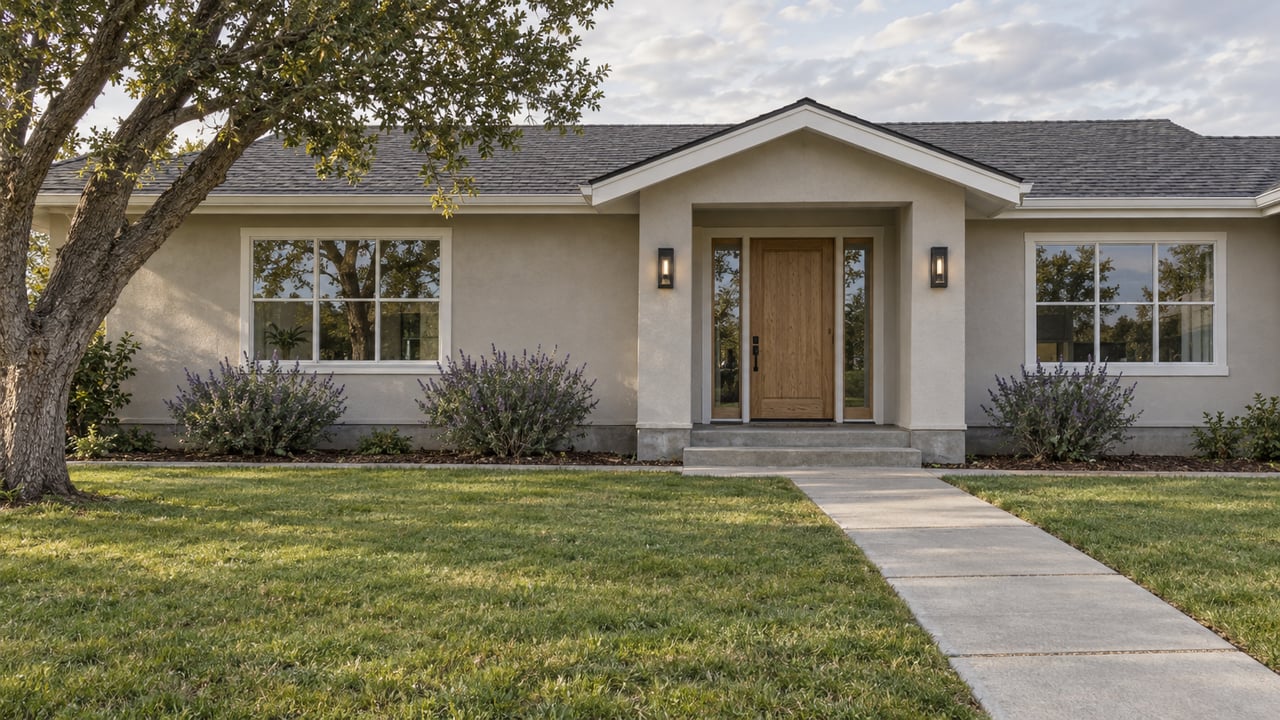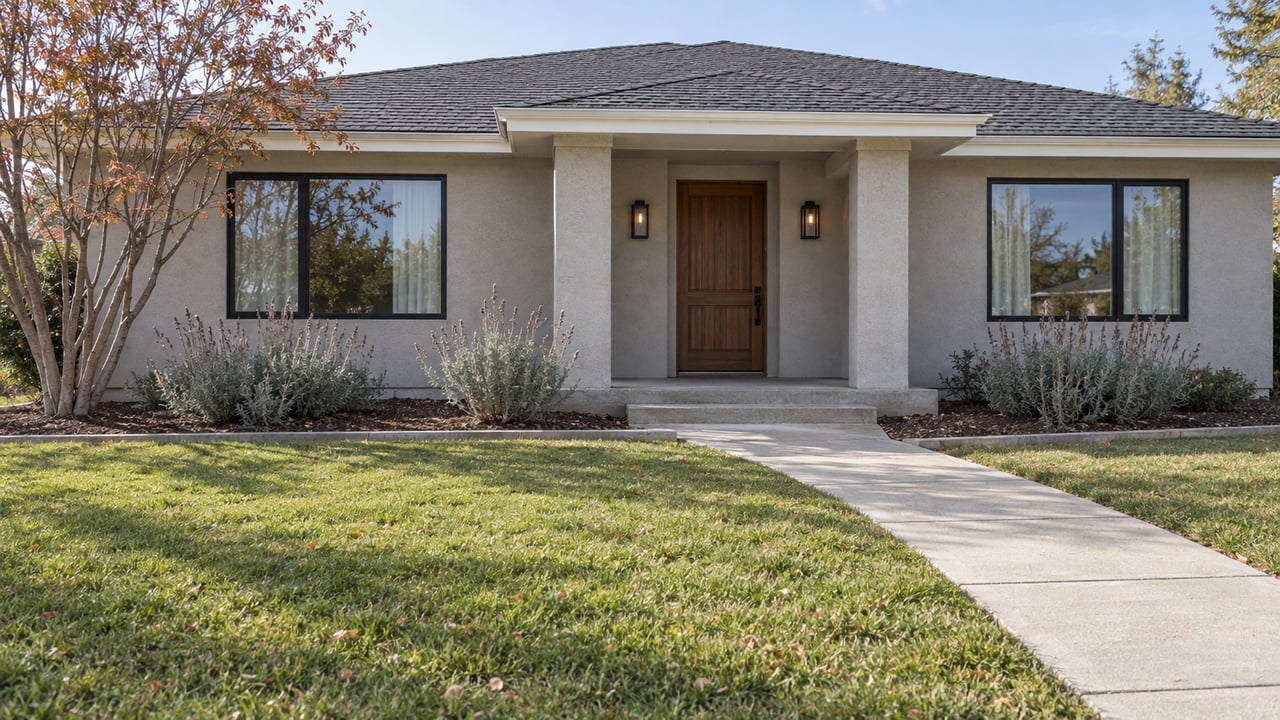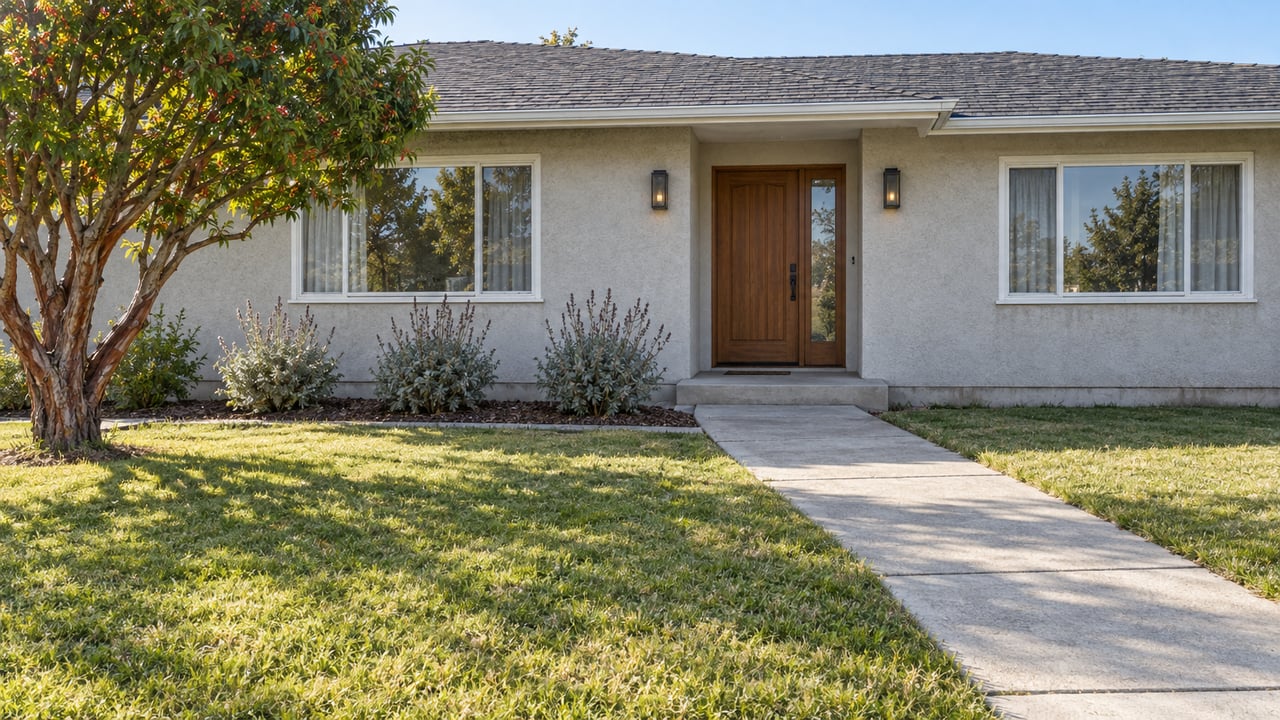
Galvanized pipe and knob-and-tube wiring can turn up in San Gabriel homes across a range of prices, including some of the city's most expensive areas.
That context matters when you see a single median price for San Gabriel on a listing site and assume it describes one market. It doesn't. The number you see averages together distinct areas of this city, each with its own price ceiling, its own pace, and its own version of what "premium" actually buys you. If you're comparing San Gabriel to Alhambra or Arcadia using one blended figure, you're comparing the wrong thing.
North San Gabriel's Border Premium
North San Gabriel sits against the edge of San Marino, where the median listing price ran $3.4 million as of July 2026. You don't need to buy in San Marino to feel that gravity. Homes in North San Gabriel carried a median sale price around $1.4 million over the three months ending May 2026, and they moved fast, closing in about 25 days on average compared with 40 days the year before.
What you're paying for isn't square footage. Walk the streets near the border and you'll find Spanish Revival cottages from the 1930s, storybook English-style homes, and post-war traditionals on wide, tree-lined lots, the kind of housing stock that predates most modern building codes. Washington Elementary sits on N. San Marino Ave, right in this pocket, and its location on the San Marino side of the neighborhood is part of why buyers pay to be here. The premium is about the address line, not the age of the roof.
What the Mission District Premium Is Actually Paying For
Central San Gabriel, the area built around the historic Mission founded in 1771, tells a different story. The three months ending May 2026 put the median sale price here at $1.1 million, down about 11 percent year over year, and homes here sold in 28 days on average.
Buyers here are paying for walkability. Valley Boulevard and Las Tunas Drive run through this pocket, lined with the restaurant corridor that gives San Gabriel its regional pull, and the housing itself skews toward mid-century character homes and Craftsman bungalows rather than newer construction. Speed at this price point tells you something: when a well-priced Mission-area home hits the market, it doesn't sit.
Housing Age in San Gabriel's Premium Areas
North San Gabriel and the Mission District are also where the oldest housing stock concentrates. A 1930s cottage a block from the San Marino line and a Craftsman bungalow near the Mission were both built long before copper plumbing and modern electrical panels were standard. Galvanized pipe and aging wiring show up as inspection flags disproportionately in these two areas, not because the homes are neglected, but because they're old enough to predate the systems buyers now expect.
That's worth sitting with if you're comparing San Gabriel to a newer-build suburb further east. The premium you pay in North San Gabriel or the Mission District buys you a location and a piece of the city's history. It does not automatically buy you updated systems. Budgeting for a panel upgrade or repiping on top of an already-elevated purchase price is common enough here that it shouldn't come as a surprise at inspection.
For buyers looking for a lower-cost alternative to these single-family homes, citywide condos offer another entry point: the median condo sale price in the first quarter of 2026 sat at $770,000, a meaningfully lower bar than the $1.1 million median for single-family homes in that same quarter.
| Median sale price | Days on market | What you're buying | |
|---|---|---|---|
| North San Gabriel | ~$1.4M (3 mo. ending May 2026) | ~25 days | Proximity to San Marino, larger lots, pre-war character |
| Mission District / Central | ~$1.1M (3 mo. ending May 2026) | ~28 days | Walkability to Valley Blvd dining, historic character homes |
Why This Year's Numbers Are Softer Than They Look
One caution before you lean too hard on any single month's figure. San Gabriel's sub-areas sell in the dozens of homes per month, not the hundreds. Central San Gabriel's average price reportedly dropped over 40 percent in a single month this year, a swing that has nothing to do with the market cooling and everything to do with a handful of high-end sales rolling off the comparison period. When your sample size is 15 or 20 transactions, one $2 million sale falling out of the count can move the average dramatically. The three-month medians are the more stable read, and even those bounce around zone to zone.
Zoom out to the full city and the picture is more consistent. As of the most recent citywide snapshot in 2026, San Gabriel homes were averaging 37 days on market, up from 34 days a year earlier, and citywide supply sits around four months, compared with a ten-year average closer to two and a half. That's a real shift toward buyer leverage, but it isn't evenly distributed. North San Gabriel and the Mission District are still closing in under a month.
What This Means If You're Comparing San Gabriel to Its Neighbors
If you're cross-shopping San Gabriel against Alhambra, Arcadia, or San Marino using one median number per city, you're flattening exactly the variation that matters most. San Gabriel's median may obscure the differences between its border zone and historic core. Which one you're actually comparing depends entirely on which streets you're looking at, and the price difference between them is larger than the year-over-year swings that usually make headlines.
Does paying more in North San Gabriel or the Mission District guarantee a newer home? No. Both of these premium zones concentrate San Gabriel's oldest housing stock. The price reflects location, not the age of the plumbing or the panel.
Is San Gabriel currently a buyer's market or a seller's market? It depends on where in the city you're looking. Citywide supply has loosened to about four months against a ten-year average near two and a half, but North San Gabriel and the Mission District are still selling in under a month.
If you're trying to figure out which of these areas actually fits your budget and your priorities, that's a conversation worth having before you start touring. Brilla Real Estate works these streets neighborhood by neighborhood, not city by city, and can walk you through what a specific block is actually going to cost you, wiring and all.