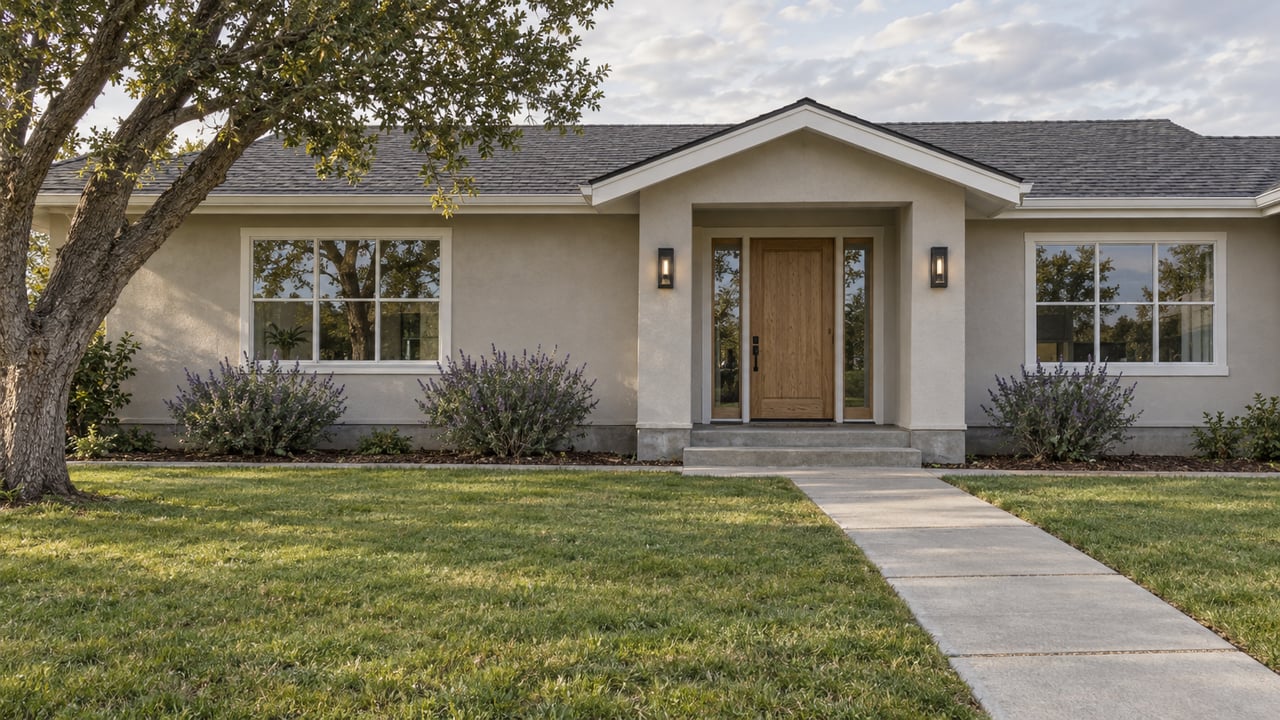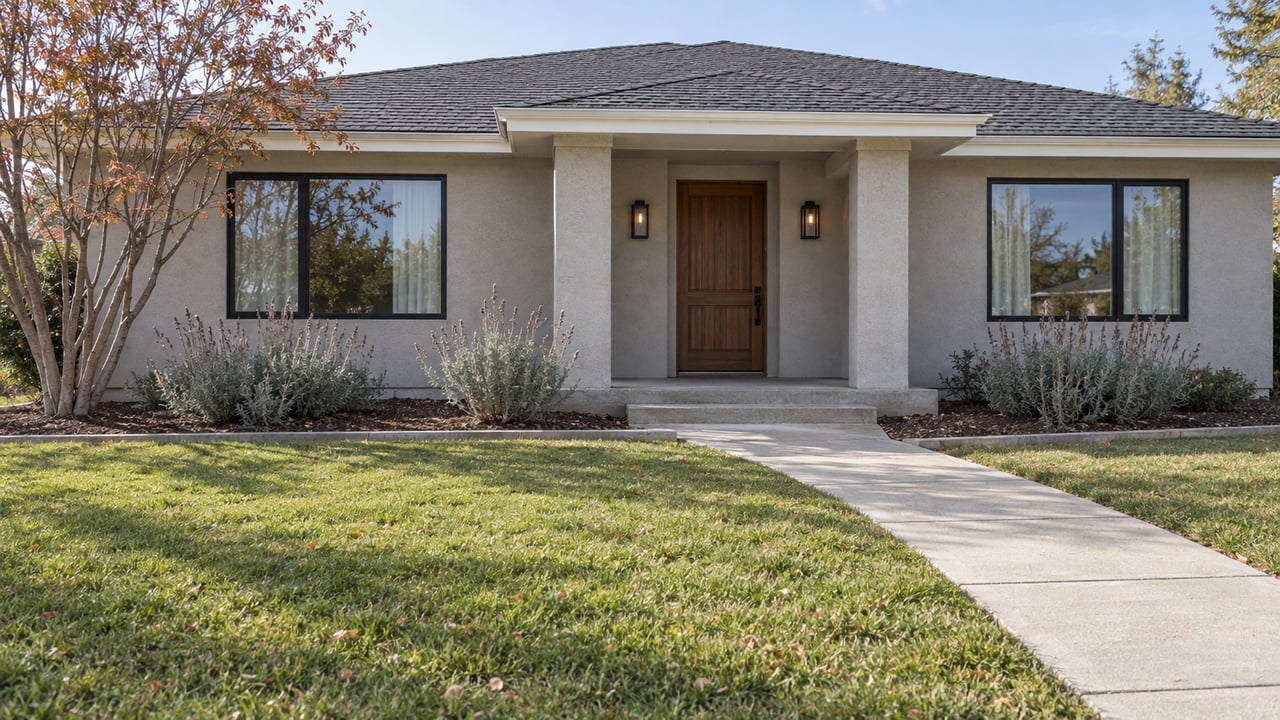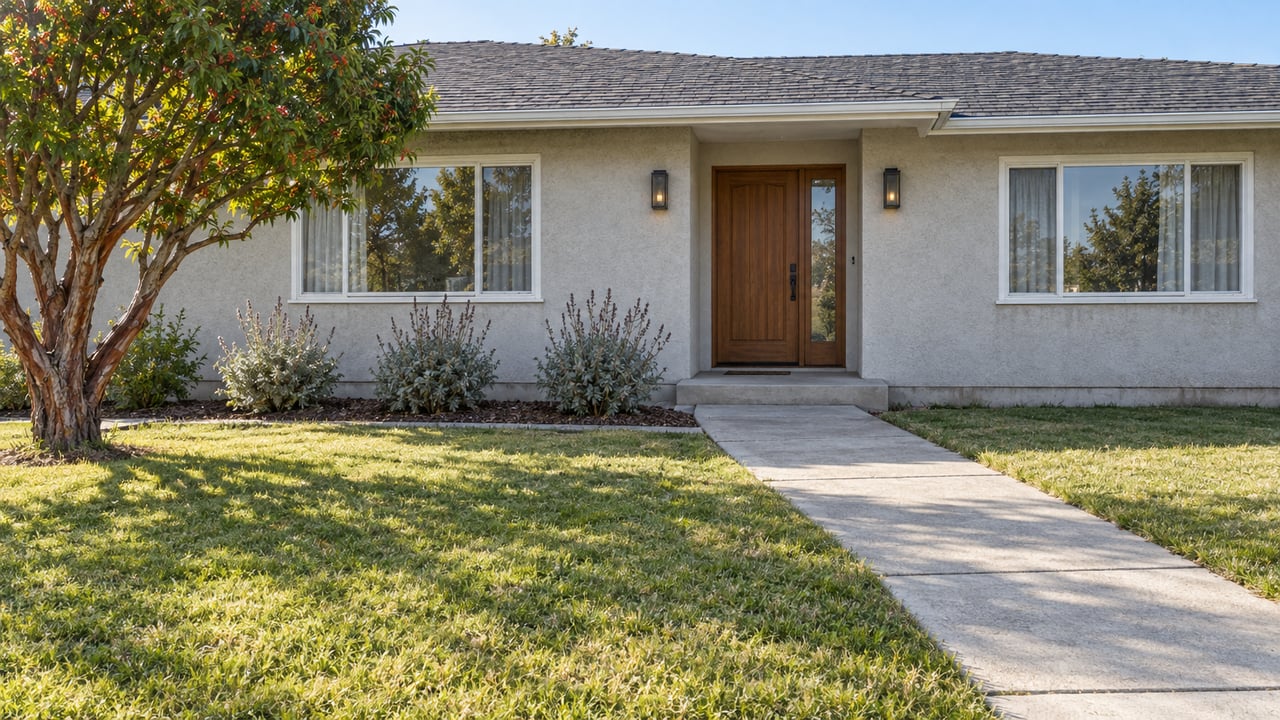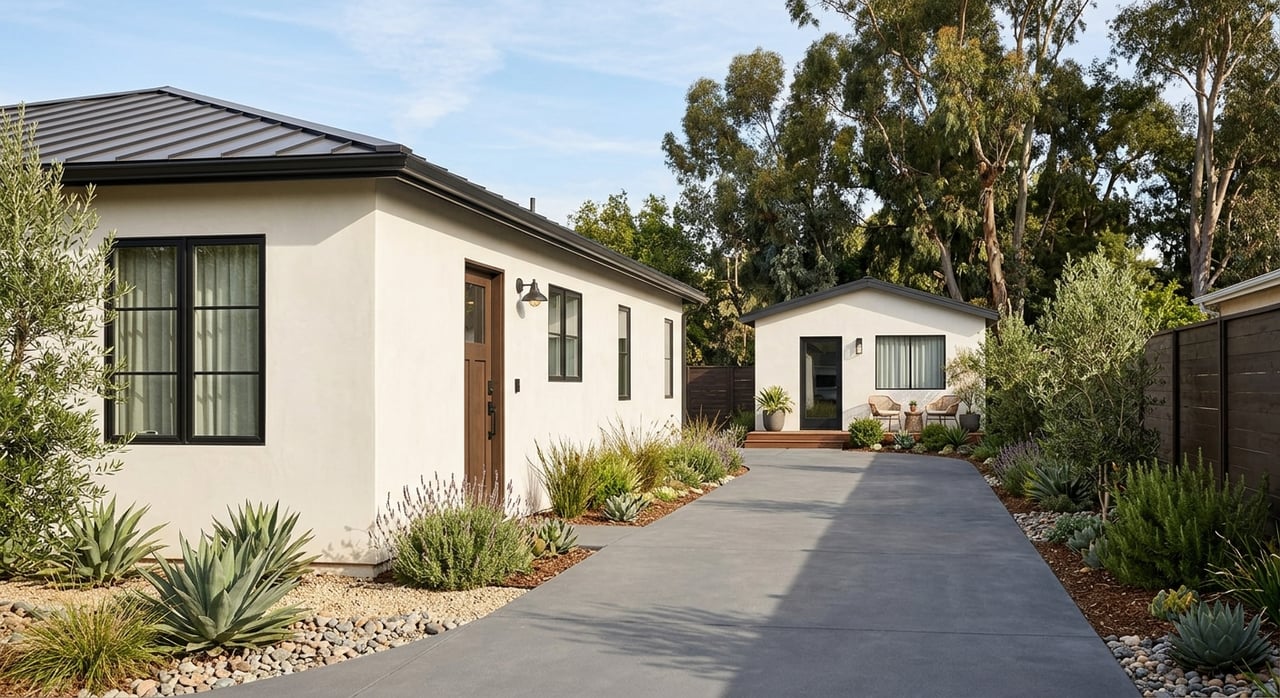
Thinking about buying in Rosemead for rental income or long-term wealth? This small San Gabriel Valley city may look straightforward at first glance, but the real opportunity depends on matching the right property type to the right lot, rules, and rental strategy. If you are weighing a duplex, ADU, or single-family rental, this guide will help you understand where Rosemead fits, what local zoning allows, and how to think about returns with more confidence. Let’s dive in.
Why Rosemead Stands Out
Rosemead is a relatively small city, but it has a meaningful rental base. The latest Census profile shows 49,582 residents and 14,434 households, with an owner-occupied housing rate of 47.3%. That means about 52.7% of occupied housing is renter-occupied, which points to a market where rentals are an important part of the housing mix.
That matters if you are looking at small-scale investing. Rosemead is not just a place for owner-occupants. It is also a city where renting already plays a major role, which can support interest in duplexes, ADUs, and single-family rentals.
The city is also planning for more housing growth. Rosemead’s certified 2021 to 2029 Housing Element says the city was assigned a Regional Housing Needs Allocation of 4,612 units, and the city has stated that anticipated ADUs are part of its capacity planning. Rosemead also launched a new zoning code and general plan update in 2023 to support continued housing and mixed-use growth.
What the Numbers Suggest
Rosemead’s housing data gives you an important reality check. Median gross rent is $1,834, median household income is $73,566, and the median value of owner-occupied homes is $807,200. In plain terms, that suggests a market where ownership costs can be significantly higher than median rent.
For investors, this points to a rent-sensitive market rather than a purely luxury rental environment. It also means your numbers need to be disciplined. A property that looks promising on paper still needs rent assumptions tied to the actual unit type and location, not just broad city averages.
There is also a sign of residential stability here. Census data shows 95.4% of people age 1 and older lived in the same house one year earlier. While that does not guarantee tenant behavior on a specific property, it does support the idea that Rosemead functions as a relatively stable residential market.
Duplexes in Rosemead
For many buyers, a duplex is the clearest investment play in Rosemead. The city’s zoning code says the R-2 district is characterized by single-family dwellings and duplexes. Its standards are intended to allow duplex and smaller-lot single-family development consistent with Medium Density Residential land use.
The city’s general plan describes Medium Density Residential as allowing up to 12 dwelling units per acre. It includes housing types such as smaller-lot detached homes, duplexes, and attached units. By contrast, High Density Residential allows up to 30 units per acre and includes triplexes, fourplexes, apartments, and condominiums or townhomes.
The practical takeaway is simple. If you want a duplex-style investment, properties in R-2 or similar medium-density settings are the most natural fit based on how Rosemead describes land use. If you are considering higher-density product, that generally aligns more closely with R-3 or mixed-use areas.
Why Duplexes Appeal to Investors
A duplex can give you more than one income stream on a single lot. That can help spread vacancy risk compared with a single-unit rental. It can also create flexibility if you plan to live in one unit and rent the other.
Duplexes may also be easier to evaluate than more complex development plays. In Rosemead, the zoning framework gives you a clearer starting point for this type of property than if you were trying to force a higher-density concept onto a lower-density site.
What to Review Before You Buy
Before you move forward on a duplex property, look closely at:
- The property’s zoning designation
- Current use versus legal use
- Lot size and site layout
- Existing unit configuration
- Parking setup
- Condition and renovation needs
- Local review requirements for any planned changes
This is where local guidance matters. A property may look like a duplex opportunity online, but the best investment decisions come from confirming how the site is actually classified and what changes are realistically possible.
ADUs in Rosemead
If a duplex is the cleanest zoning-based play, an ADU may be the most flexible path for many homeowners and move-up buyers. Rosemead adopted Ordinance No. 995 in 2020 to comply with California ADU rules. The city defines an ADU as an attached or detached unit with independent living facilities on the same parcel as a primary dwelling, and states that ADUs can be rented to a third party or occupied by the owner.
Rosemead also requires applicants to submit an administrative site plan and design review before applying for a building permit. So while state law has opened the door wider for ADUs, local review still plays an important role in the process.
Why ADUs Matter for Returns
ADUs can create income without requiring you to buy a traditional multi-unit property. For some owners, that means converting extra land, a detached garage, or part of an existing structure into a second rentable unit. For others, it is a way to improve the performance of a single-family home over time.
State guidance is especially important here. California HCD says local agencies may not impose rear or side setbacks greater than four feet for new construction ADUs. HCD also says local agencies may not require more than one parking space per unit, or require parking for certain ADUs, and may not set a maximum size below 850 square feet, or 1,000 square feet for larger units.
Rosemead’s ADU handout reflects those state limits in local form. It includes 4-foot side and rear setbacks, parking of one space per bedroom or ADU, whichever is less, and an 800-square-foot exception where other standards would otherwise block construction. For many property owners, that makes a small secondary unit more feasible than it might have been a few years ago.
Preapproved Plans Could Reduce Friction
California HCD says local agencies were required to develop a program for preapproved ADU plans by January 1, 2025. Where those plans are available, they may reduce design time and soft costs. That can be helpful if you want a more streamlined route to adding rental income.
Even so, you should still think through the site-specific details. Lot layout, access, parking, and how the new unit will function day to day can all shape whether an ADU is a smart investment for your property.
JADUs: Lower Cost, More Limits
A junior accessory dwelling unit, or JADU, is a separate option. California HCD says a JADU may be created within the walls of a proposed or existing single-family residence and may not exceed 500 square feet. That smaller footprint can make it a lower-cost income-unit concept compared with a detached ADU.
But the tradeoff is flexibility. JADUs are more constrained by size, and owner-occupancy is required in certain JADU configurations. HCD also says JADUs cannot be used as short-term rentals.
For some owners, a JADU can still make sense. If you want to add modest rental income and your home layout supports it, this may be worth exploring. But if your goal is the broadest rental appeal or a more independent living setup, a full ADU may offer a better long-term fit.
How to Underwrite Rentals in Rosemead
One of the biggest mistakes investors make is using the wrong rent benchmark. Rosemead’s median gross rent is $1,834, but that number alone is not enough to price a duplex, ADU, or single-family home. Different unit types rent differently, and the data in Rosemead shows exactly why.
Current market snapshots vary, but they still help frame expectations. Apartments.com reports average apartment rents in Rosemead of about $1,315 for a one-bedroom, $1,764 for a two-bedroom, and $2,735 for a three-bedroom as of April 2026. Zillow’s rental-manager market page shows an average Rosemead house rent of $2,383, with a broad house range from $800 to $4,788.
These are not direct comps for your property. They are range-setting benchmarks. A detached ADU, a duplex unit, and a single-family house may each sit in different parts of the rental market, so your underwriting should compare like with like.
Focus on Comparable Rentals
A better approach is to benchmark:
- Duplex units against similar duplex or apartment-style rentals
- ADUs against small detached or attached secondary units where available
- Single-family homes against comparable house rentals
- Bedroom count, condition, parking, and privacy against similar offerings
This is especially important in a rent-sensitive market. If your rent target is too aggressive for the product type, your returns can look better on paper than they will in practice.
Three Practical Investment Paths
If you are trying to narrow your options in Rosemead, these three profiles are the most practical places to start.
R-2 Duplex Property
This is the most straightforward zoning-based investment profile. Rosemead’s R-2 district is intended for single-family dwellings and duplexes, which makes it the cleanest fit if your goal is traditional two-unit ownership.
This path may appeal to buyers who want clearer land-use alignment from day one. It can also work well if you want to balance owner occupancy with rental income.
Single-Family Home With ADU
This is a strong option for buyers who want flexibility. A detached ADU or garage conversion may allow you to add a rental unit while keeping the primary home intact. With current ADU rules, smaller secondary units may be more feasible on many lots than buyers expect.
This path can make sense if you want to build income in stages rather than buy a duplex upfront. It may also fit homeowners who want to hold a property long term and improve it over time.
Single-Family Home With JADU
This is the lower-cost concept, but it comes with tighter limits. The 500-square-foot cap and owner-occupancy rules in certain setups mean you need to be clear about how the space will be used and what income potential is realistic.
For the right property, a JADU can still be a smart move. It is just usually the most constrained option of the three.
One More Rule to Check
Before you turn a home into a rental, make sure you understand whether the property is covered by California’s Tenant Protection Act. The California Attorney General says many residential properties in the state are subject to statewide rent-cap and just-cause protections, and cities and counties may add additional rental protections.
That does not mean every property is treated the same. It means you should confirm how the rules apply before you set rents, plan tenant turnover, or build a long-term operating strategy.
The Bottom Line on Rosemead Investing
Rosemead can be a smart market for small-scale real estate investing, but it rewards careful property selection. The city has a large renter share, active housing planning, and zoning pathways that make duplexes and ADUs especially relevant. At the same time, median rent levels and household income point to a market where disciplined underwriting matters.
If you are exploring a duplex, ADU property, or rental conversion in Rosemead, the best move is to start with the site itself. Zoning, lot layout, unit type, and realistic rent comps will shape the opportunity more than broad market headlines. And if you want a local, high-touch team to help you sort through the options, Brilla Real Estate is here to guide you with clarity and care.
FAQs
Is Rosemead a good city for rental property investing?
- Rosemead shows a strong rental presence, with about 52.7% of occupied housing renter-occupied, which suggests rentals are an important part of the local housing market.
What zoning should you look for in Rosemead if you want a duplex?
- Rosemead’s R-2 district is the clearest fit because the city describes it as an area characterized by single-family dwellings and duplexes.
Can you build an ADU in Rosemead and rent it out?
- Yes. Rosemead says an ADU can be attached or detached on the same parcel as a primary dwelling, and it can be rented to a third party or occupied by the owner.
What is the difference between an ADU and a JADU in Rosemead?
- A JADU is smaller and more limited. California HCD says JADUs must be created within the walls of a proposed or existing single-family home and cannot exceed 500 square feet.
How should you estimate rent for a Rosemead duplex or ADU?
- You should compare the property to similar local rentals by unit type, size, condition, parking, and layout instead of relying only on the citywide median rent.
Do Rosemead rental properties need to follow California tenant protection rules?
- Many California residential properties are subject to statewide rent-cap and just-cause protections, so you should confirm whether a specific property is covered before operating it as a rental.