Buying your first home in Baldwin Park can feel like a tug-of-war between budget, space, and long-term goals. You may be wondering whether a condo, townhome, or small single-family house is the smartest place to start, especially when prices can shift a lot by property type. The good news is that Baldwin Park gives first-time buyers real options, and understanding those options can help you make a confident move. Let’s dive in.
Why starter homes look different in Baldwin Park
Baldwin Park is a largely built-out city, which means many first-time buyers are not choosing from a huge wave of brand-new detached homes. Instead, you are more likely to compare attached and detached options across condos, townhomes, and smaller single-family homes. The city’s housing framework includes single-family, garden multi-family, multi-family, mixed-use, and downtown specific-plan areas, which helps explain that mix.
That variety can work in your favor. If your top priority is a lower entry price, a condo may open the door sooner. If you want more independence and room to grow, a smaller detached home may be worth stretching for if it fits your budget.
What the Baldwin Park market shows now
Current Baldwin Park pricing generally clusters in the high-$600,000s to low-$700,000s, but different market sources measure the market in different ways. One source reports a typical home value of $721,836 with homes pending in about 23 days, while another shows a median sale price of $694,142 and a 35-day average market time. Another reports a median listing price of $656,950 with 62 median days on market and a 100% sale-to-list ratio.
These numbers are not contradictions. They are different snapshots of the same market, and together they show a starter-home market where pricing can vary a lot depending on the property type, size, and condition.
Here is a quick look at the current listing mix mentioned in the research:
- 12 condo listings
- 2 townhome listings
- 23 single-family listings
That tells you something important right away. You may see more detached-home choices than townhomes, but the lowest-priced opportunities are still more likely to show up in the condo category.
Comparing starter-home price ranges
If you are trying to figure out what your budget can realistically buy, the current active price bands are a helpful starting point.
Condos: the lowest entry point
Condos currently offer the lowest entry prices in Baldwin Park. Active examples in the research range from $348,000 to $559,900, with smaller two-bedroom units appearing at the lower end and larger three-bedroom options at the upper end.
For many first-time buyers, that lower price point can be the difference between waiting and buying now. A condo may also leave more room in your monthly budget for savings, furnishings, repairs, or future goals.
Townhomes: a middle-ground option
Townhomes are currently limited in number, with just two active examples in the research at $529,900 and $549,000. That places them above many condos, but still below a large share of detached homes.
If you want more space than a typical condo but are not ready for the full cost and upkeep of a detached home, this category can be worth a close look. Just keep in mind that townhomes can vary a lot in how ownership and maintenance are structured.
Small single-family homes: more control, wider range
Detached starter homes in Baldwin Park can begin near condo and townhome pricing, but the range climbs quickly. The research includes examples from $499,000 for a smaller two-bedroom home up to $900,000 for a larger four-bedroom home.
That wide spread matters. It means you may find an entry-level detached option, but competition, condition, lot size, and location within the city can quickly push prices higher.
How each home type fits different goals
The right starter home is not just the cheapest one. It is the one that best matches your finances, your lifestyle, and how much responsibility you want to take on.
When a condo makes sense
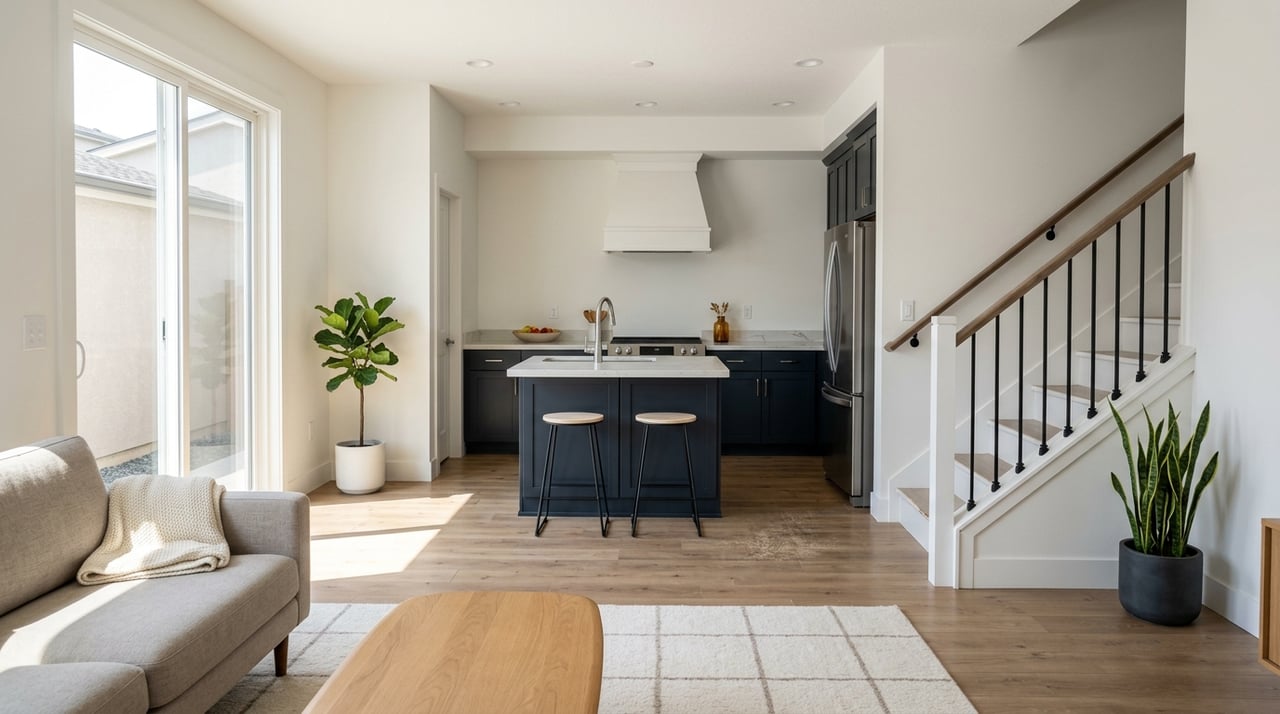
In California, a condominium is a legal form of ownership. You own your separate interest and also share an undivided interest in the common areas. In plain terms, that usually means less exterior maintenance for you, but shared spaces and community rules are part of the package.
A condo may be the best fit if you want:
- The lowest entry price
- Less exterior upkeep
- A simpler path into homeownership
- More room in your budget for savings and emergencies
A condo may be a tougher fit if you are uncomfortable with HOA dues, shared walls, or community restrictions.
When a townhome makes sense
Townhomes can be a smart middle-ground option, but they require careful review. In California, a townhome may be a condominium or a planned development, and maintenance responsibilities can be split differently from one community to another.
That means one townhome community may handle certain exterior items through the HOA, while another may place more responsibility on you as the owner. If you like the idea of balancing space and maintenance, a townhome can be appealing, but you need to read the details carefully before you commit.
When a small detached home makes sense
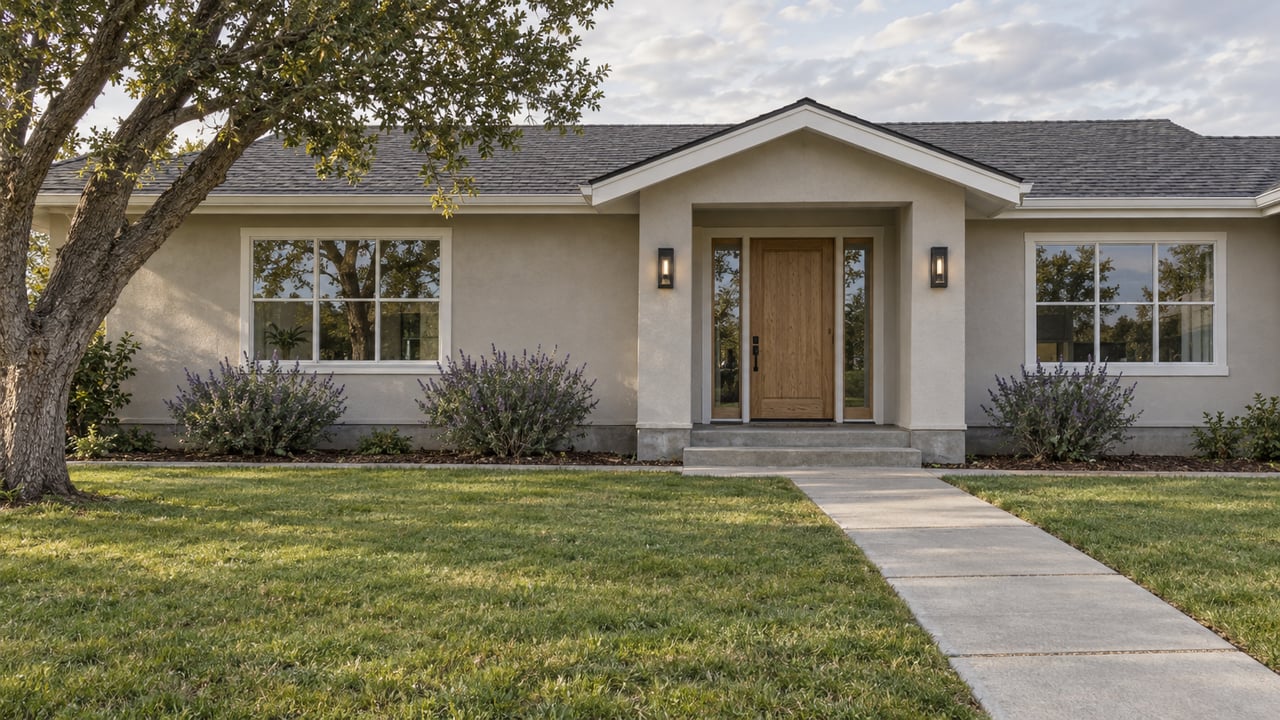
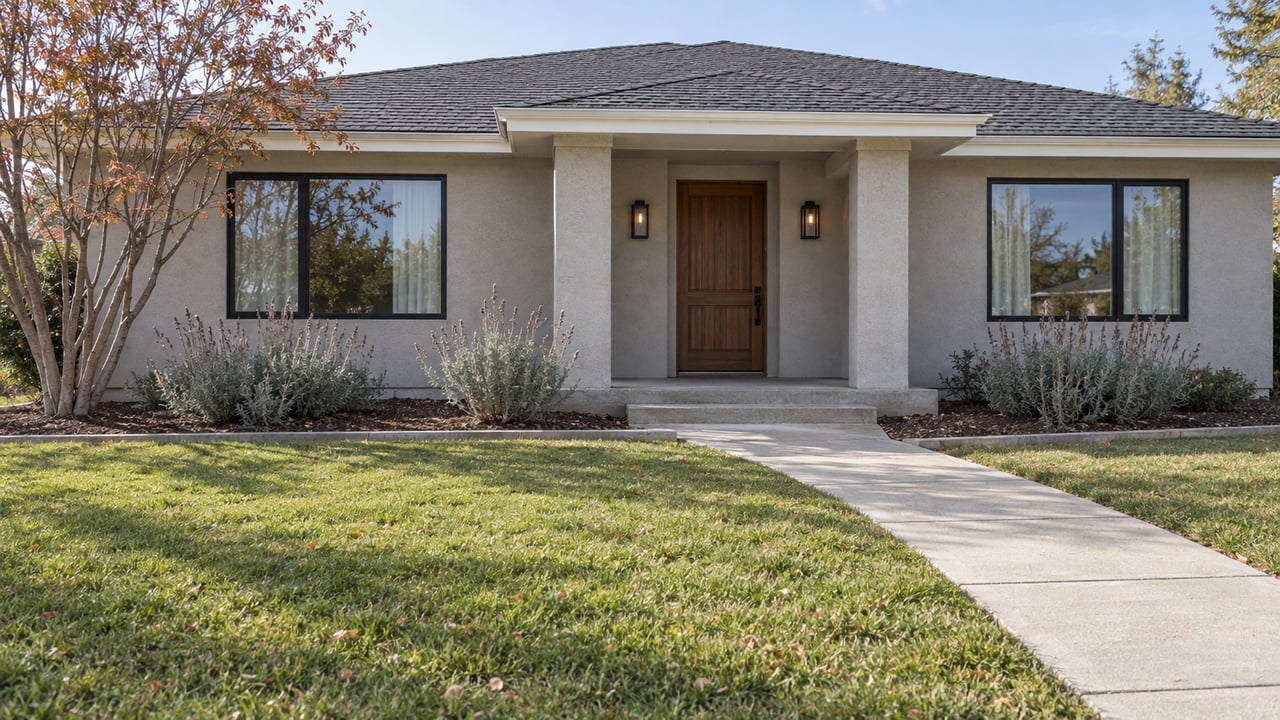
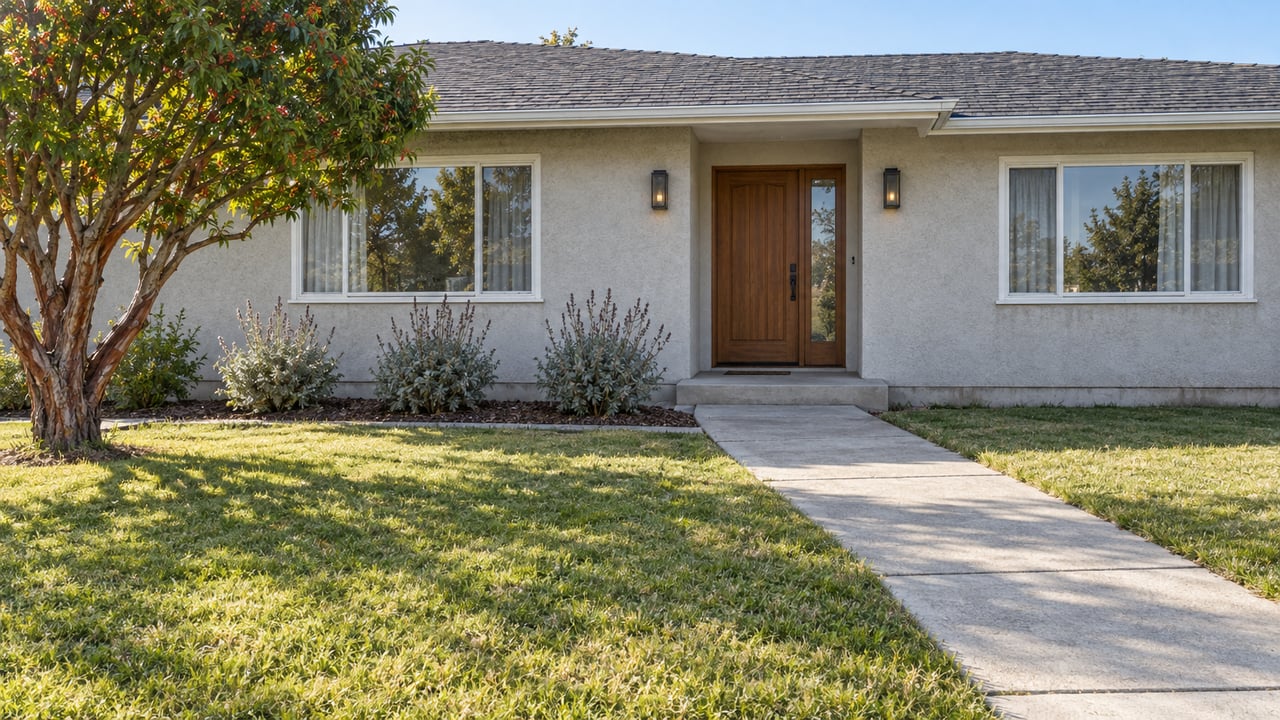
A smaller single-family home usually gives you the most control over the property. Detached homes also tend to remain the most prevalent housing type and are often seen as the most marketable format.
This type may be the right fit if you prioritize:
- More autonomy
- Yard potential
- Fewer shared walls or systems
- Broader resale appeal
The tradeoff is that more maintenance usually falls on you. Also, a detached-looking home can still be part of a planned development with private streets or shared amenities, so it is still important to confirm exactly what you own and what rules apply.
Look beyond the price tag
A starter home that looks affordable at first glance may feel very different once you factor in ongoing costs and responsibilities. This is especially true with condos and townhomes, where HOA details can change the real monthly cost of ownership.
For first-time buyers, the better question is not just, "What is the purchase price?" It is also, "What will I be responsible for after closing?"
What to review about the HOA
A homeowners association, or HOA, is the group that enforces rules and collects dues in a condominium, subdivision, or planned community. In Spanish, many households may hear this explained as asociación de propietarios. If you are buying in an HOA community, you should understand both the monthly cost and the rules that come with it.
Before you buy, ask clear questions such as:
- What do the monthly dues cover?
- Who handles the roof, exterior, or shared systems?
- Are there any pending special assessments?
- What do the CC&Rs restrict?
- Is the home legally a condo or a planned development?
CC&Rs are the recorded community rules that stay attached to the property through ownership changes. These rules can affect things like exterior changes, parking, pets, and use of common areas.
Why reserve studies matter
One of the most useful documents in HOA review is the reserve study, which is the association’s long-range repair and replacement funding plan. California reserve disclosure rules require the summary to show the replacement cost, remaining life, useful life, current reserve cash, and reserve deficiency for major components.
That may sound technical, but the big takeaway is simple. You want to know whether the HOA appears to be saving enough for future repairs.
A low HOA fee is not always the best sign. If reserves are weak, owners could face bigger costs later.
Understand assessments before you buy
California law limits annual increases in regular HOA assessments above 20 percent and limits aggregate special assessments above 5 percent of the budgeted gross expenses for that fiscal year unless a majority of a quorum of members approves them. That offers some guardrails, but it does not eliminate risk.
California also allows emergency or unforeseen assessment increases for extraordinary repairs or health-and-safety issues. So if an HOA has low reserves and a major repair comes up, your monthly budget could change faster than expected.
A special assessment is an extra charge beyond regular dues when the association needs more money for repairs or emergencies. For a first-time buyer, that is one of the biggest reasons to look past the sticker price and review documents closely.
A practical starter-home checklist
If you are comparing condos, townhomes, and smaller detached homes in Baldwin Park, this checklist can help you stay focused:
- Compare the purchase price against your full monthly payment
- Review HOA dues, if any
- Confirm what the HOA covers and what you maintain
- Read the CC&Rs and community rules
- Ask whether there are recent or pending special assessments
- Review the reserve study and budget
- Confirm whether the property is a condo or planned development
- Think about your 3-to-5-year goals for space, savings, and flexibility
This kind of review helps you choose a home that fits your life now and does not surprise you later.
Which starter home is right for you?
If your main goal is the lowest entry point, condos are the clearest match in Baldwin Park right now. Several are priced below $450,000, which can make homeownership more accessible for buyers who want to get in the market without taking on exterior maintenance.
If you want a middle-ground option, townhomes usually offer a balance of space and upkeep. They are fewer in number right now, but they can be a strong fit if you want more room than a condo and are comfortable reviewing HOA responsibilities closely.
If you are focused on control and long-term flexibility, a small detached home may be the stronger target. Detached homes typically give you more autonomy and often appeal to a wider resale audience, but Baldwin Park prices show that moving into this category can push your budget up quickly.
In the end, the smartest starter home is the one that helps you buy with confidence and keep breathing room in your budget. For many first-time buyers, that means weighing today’s price against tomorrow’s maintenance, rules, and financial flexibility.
If you want guidance comparing Baldwin Park condos, townhomes, and small single-family homes, Brilla Real Estate can help you understand your options and take the next step with clarity.
FAQs
What is the cheapest starter-home option in Baldwin Park?
- Based on the current research snapshot, condos offer the lowest entry price in Baldwin Park, with active examples ranging from $348,000 to $559,900.
What should first-time buyers in Baldwin Park ask about an HOA?
- You should ask what the dues cover, who maintains the roof and exterior, whether there are pending special assessments, what the CC&Rs restrict, and whether the home is a condo or a planned development.
What is a reserve study for a Baldwin Park condo or townhome community?
- A reserve study is the HOA’s long-range repair and replacement funding plan, and it helps you evaluate whether the association appears to be saving enough for major future repairs.
Are townhomes and condos the same in California?
- No. In California, a townhome can be legally structured as a condominium or a planned development, so maintenance duties and ownership details can vary by community.
Why do Baldwin Park detached starter homes cost more than some condos?
- Detached homes usually offer more control, yard potential, and broader resale appeal, and current Baldwin Park listings show that prices rise quickly as you move from attached homes into detached options.