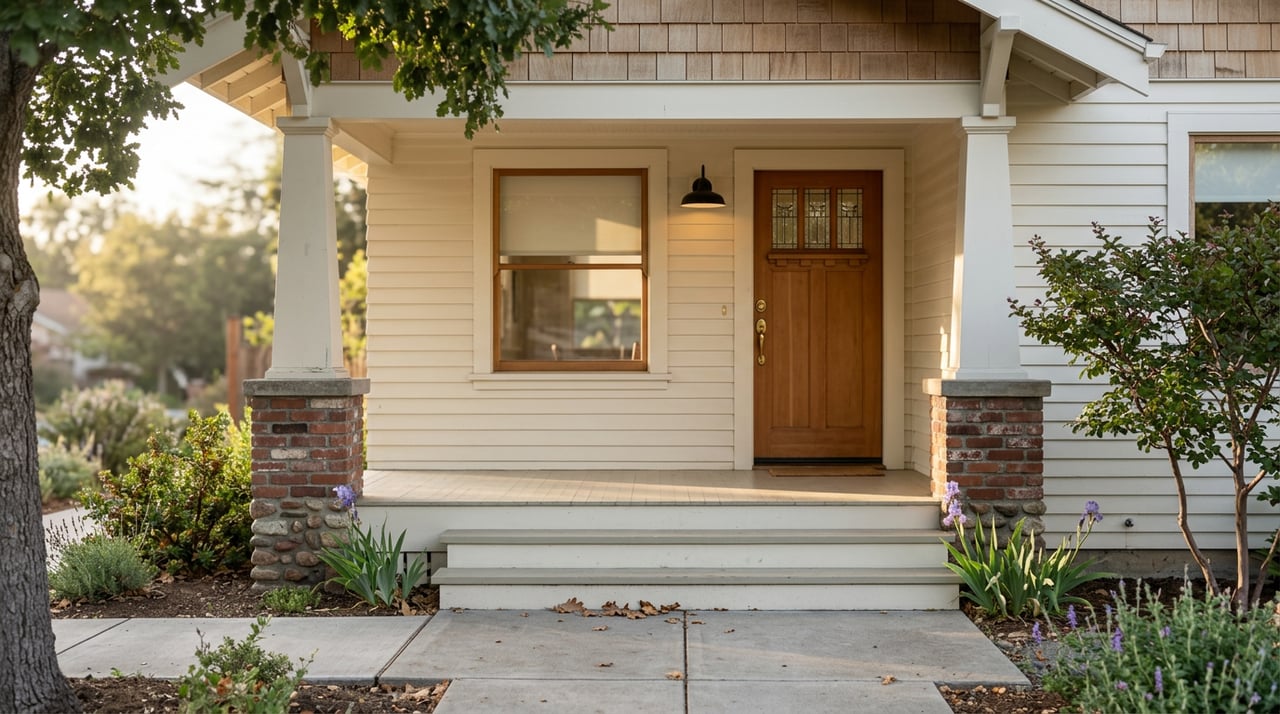
You spot a charming Craftsman on a tree-lined street in Monrovia and start picturing morning coffee on the porch. Then you wonder what it really takes to own a historic home here. You are not alone. Monrovia’s older homes have incredible character, and they also come with unique rules, inspections, and potential savings that are worth understanding before you write an offer. In this guide, you’ll learn how local designations work, when a Certificate of Appropriateness applies, which inspections to prioritize, and how programs like the Mills Act can reduce costs. Let’s dive in.
Why Monrovia draws historic-home buyers
Monrovia has a deep bench of character homes, from late 19th-century Victorians to early and mid 20th-century Craftsman bungalows and period-revival cottages. You will find these styles across the city and in two local historic districts. For a quick feel of the streets and styles, explore the Monrovia Old House Preservation Group overview of historic districts.
Neighborhoods and examples to know
- Wild Rose Tract Historic District. A compact area along Wildrose Avenue where early bungalows line the street.
- North Encinitas Historic District. The 100–200 blocks of N. Encinitas with many contributors in bungalow and period styles.
- Individual landmarks. Local inventories highlight a wide range of designated homes, from Victorian-era examples like The Oaks to notable residences linked to cultural figures. You can browse the Monrovia historic landmarks inventory PDF for citywide examples.
Not every older house is landmarked. Always verify the exact status of an address on the city’s lists before you assume special rules or benefits apply.
How designation works in Monrovia
Monrovia recognizes local Historic Landmarks and local Historic Districts that include contributing and non-contributing properties. Local designation is what triggers city review for exterior changes and unlocks certain incentives. The practical impact for you is how permits are handled and what approvals you may need before work begins.
What a Certificate of Appropriateness means
If the home is a local Historic Landmark or a contributing property within a local Historic District, many exterior changes require a Certificate of Appropriateness before permits are issued. The city’s code explains the scope, public notice, and timing. After you submit a complete application to Planning, the Historic Preservation Commission must hold a public meeting with notice to nearby owners and act within local deadlines. The code calls for a public meeting no less than 10 days after notice and no later than 50 days from a completed application. Some limited exceptions exist, and non-contributors may have more flexibility. You can review the city’s Certificate of Appropriateness procedures in the Monrovia municipal code for details.
Demolition review and why it matters
Proposals to demolish older structures, especially pre-1940 dwellings, can trigger additional reviews and attention. The Historic Preservation Commission may use demolition-review authority to slow or study options so alternatives to demolition can be explored. If you are considering a teardown or buying a property with a demolition application in process, plan for extra steps. The LA Conservancy’s Monrovia overview provides helpful context.
Incentives that can lower costs
Monrovia pairs design review with incentives that make preservation work more feasible. If you like the idea of stewarding a historic property, these programs can be a meaningful benefit.
Mills Act tax savings and owner obligations
The Mills Act is a state-enabled program that local governments use to encourage preservation. In Monrovia, Mills Act contracts are ten-year agreements that automatically renew each year. If a non-renewal notice is filed, there is a ten-year phase-out period. Contracts require a restoration and maintenance plan, and the city’s practice includes certain safety checks and improvements as conditions, such as an electrical safety inspection and a seismic retrofit within a set timeframe. Contracts transfer with the property, so you inherit benefits and obligations at closing. For process and requirements, review Monrovia’s Mills Act procedures and application packet.
State Historical Building Code and permit fee relief
Designated resources may be eligible to use the California Historical Building Code, which offers code-compliance flexibility that helps preserve original features while meeting safety standards. The city also provides fee relief. For designated landmarks and contributing properties, Monrovia sets the applicable building permit fee at 60 percent of the actual fee at issuance. Learn more about these incentives in the city’s historic preservation incentives section of the code.
Inspection roadmap for older homes
Older homes can be solid investments, but they deserve a closer look. Along with a standard home inspection, consider adding these specialized checks during your contingency period.
Termite and wood-destroying organisms
A licensed Branch 3 inspector should complete a WDO inspection. In California, lenders or escrow often expect a WDO report, and it is a smart way to catch dry rot, termite activity, and high-moisture conditions early. You can confirm licensing or learn more through the California Structural Pest Control Board.
Foundation, seismic, and soft-story conditions
Many Monrovia cottages sit on raised foundations with cripple walls that may need bracing and bolting. Budget for a structural review to evaluate sill-plate bolting, cripple-wall bracing, and any soft-story elements like deep porches. Monrovia points owners to resources and grants through the Earthquake Brace + Bolt program, which can help with retrofit costs.
Electrical, plumbing, sewer, and roof
If you are buying a pre-1940 or mid-century home, ask a licensed electrician to evaluate the panel and wiring. Monrovia’s Mills Act procedures even require an electrical safety inspection as part of a contract’s restoration plan. Older plumbing and sewer lines can be another key budget item, so order a sewer-scope and have the roof and attic checked for leaks and past water intrusion.
Lead-based paint and asbestos
If you plan to remove finishes in a home built before 1978 or update older flooring and insulation, consider testing for lead-based paint and asbestos. Use licensed testers and contractors and follow state and federal rules when planning work.
Repair vs. replacement on character features
When a property is designated, proposed work is typically evaluated against widely used rehabilitation guidelines. The Secretary of the Interior’s Standards place a strong emphasis on repairing and retaining character-defining features rather than replacing them. If you love original windows, Batchelder tile, or built-ins, these standards can support thoughtful repairs that preserve value. You can read the Secretary of the Interior’s Standards for Rehabilitation to understand the principles reviewers use. For code compliance on historic properties, the State Historical Building Code can also provide flexibility that still keeps safety front and center.
Your Monrovia buyer checklist
Use this quick list to stay organized from first showing to offer.
- Confirm whether the property is a local Landmark, a contributor in a district, or on a potential list by checking the Monrovia historic landmarks inventory and city resources.
- Order a termite and WDO inspection by a licensed Branch 3 professional. Start with the California Structural Pest Control Board.
- Request the seller’s permit history, any past Certificates of Appropriateness, and building permits. The city’s Planning forms and fees page is a good reference for what to ask for.
- Schedule pre-offer or early-contingency evaluations: licensed electrician, sewer-scope, and a structural or seismic review. Explore resources like Earthquake Brace + Bolt to budget for retrofits.
- Ask Planning staff whether the property has a recorded Mills Act contract and, if so, what obligations remain. Review the city’s Mills Act packet for typical conditions.
Red flags to watch for
- Significant remodels or additions with no permits. This can complicate COA approvals and lending. See the city’s Planning forms and fees to understand expected records.
- Active Section I termite findings without a clear plan for treatment and repairs. Learn how WDO reports work via the Structural Pest Control Board.
- A property tied to a pending demolition application or code enforcement. Demolition review can trigger delays and community attention. The LA Conservancy’s Monrovia page offers context on local practice.
- A recorded Mills Act contract with outstanding restoration items, such as required seismic work or electrical corrections. Review typical owner obligations in the Mills Act procedures.
Neighborhood snapshots
Wild Rose Tract Historic District
Along Wildrose Avenue between Canyon Boulevard and California Avenue, this small district showcases early bungalows with classic details. If you are drawn to modest footprints with porch-forward charm, it is a great area to research. Start with the MOHPG guide to Monrovia’s historic districts to learn how contributing properties are identified.
North Encinitas Historic District
On the 100 and 200 blocks of N. Encinitas, you will find many contributors in bungalow and period styles. As with any district, verify whether a specific address is a contributor or non-contributor because that status affects what permits and approvals may be required. The MOHPG district overview is a helpful starting point.
Setting expectations on timelines
Buying a historic home is absolutely doable with the right plan. The extra steps mainly show up in due diligence and post-close project planning. Build in time to confirm the property’s status, gather COA and permit history, and speak with city Planning staff about any past approvals or recorded contracts. If you plan exterior changes on a locally designated property, remember that a Certificate of Appropriateness involves public notice and a Commission meeting within the city’s stated time frames. Reading the COA process in the code will help you map out a realistic renovation timeline.
Partner with a local, bilingual guide
A historic home can be both a heart decision and a smart investment. With clear expectations on inspections, city approvals, and incentives, you can move forward with confidence. If you want a trusted local advocate who can explain each step in plain English or Spanish and coordinate a smooth experience with lender, notary, and contractor partners, connect with Brilla Real Estate. We love helping families across the San Gabriel Valley find character homes that fit their budget and long-term goals.
FAQs
What does a Certificate of Appropriateness mean for Monrovia buyers?
- It is a city approval required before most exterior alterations, demolition, or relocation for local Historic Landmarks and contributing properties in districts. The Monrovia code outlines COA steps and timing.
How does the Mills Act affect a Monrovia home purchase?
- A recorded Mills Act contract transfers to you at closing, bringing potential property tax savings along with a restoration plan and conditions like electrical safety and seismic work. See the city’s Mills Act packet.
Which inspections are most important for a 1920s Monrovia bungalow?
- Add a WDO/termite inspection, structural and seismic review, licensed electrician’s evaluation, sewer-scope, and roof check. Start with the Structural Pest Control Board and Monrovia’s Earthquake Brace + Bolt resources.
Are exterior changes allowed in Monrovia historic districts?
- Often yes, but design-sensitive work must receive a COA if the property is a contributor, and it is reviewed against preservation standards. Read the COA procedures in the code for what typically triggers review.
What if previous owners did unpermitted work on a historic home?
- Unpermitted projects can complicate approvals and financing. Ask for past permits and COAs, then consult the city’s Planning forms and fees page to understand how to address gaps.
How do the Secretary of the Interior’s Standards affect my remodel?
- For designated properties, reviewers use these guidelines to prioritize repair and retention of historic features, often with help from the State Historical Building Code. Review the Standards for Rehabilitation before planning work.